I’ve talked about how much I love the omnipresence of history
in London. Now let’s talk about the living history of Oxford! Many of the places we see as visitors to London
we go to with the goal of seeing—please excuse my ineloquence—something old. They are destinations with the purpose of
teaching and showing historic events and places. Basically this means those of us with maps in
our back pockets and cameras around our necks shuffle past artifacts that are
housed behind glass while reading plaques or listening to tour guides. While I’m reluctant to play this part, I do
enjoy the trips we’re taking in this class and find the artifacts and facts
behind them fascinating. But Oxford is a
working piece of history.
The ceiling of the room directly beneath the Bodleian Library
Today we went to the
city of Oxford and toured several amazing places. First, the Bodleian Library at the University
of Oxford. This is, of course, of
particular interest to me and everyone in the group because we are all in the
process of getting our Masters in Library and Information Science. The Bodleian Library dates from 1602 (though
it assimilated an earlier form of the library) and the building it is housed in
dates back to the early 12th century.
The buildings of Oxford University are impressive in themselves, the
story of how this early library came about is amazing to learn, but my favorite
part was that it is a working library.
You have to have certain permissions to enter and use the books, of
course, but as we were being taken on a tour (no pictures allowed,
unfortunately) students and scholars were using the reading rooms and going in
and out. Can you imagine being such a
part of that history?!

[I apologize for the excessive use of exclamation points in the following
section;
it was a pretty exciting place.]
Then we were off to the Story Museum. Oh my goodness. This is an absolutely brilliant project which
does mostly visits to schools to promote literacy and oral storytelling
traditions, and they have plans for their unfinished museum which are
fantastic. Right now the museum is
partly done, but there are a couple exhibits that are roughly done and they are absolutely amazing.

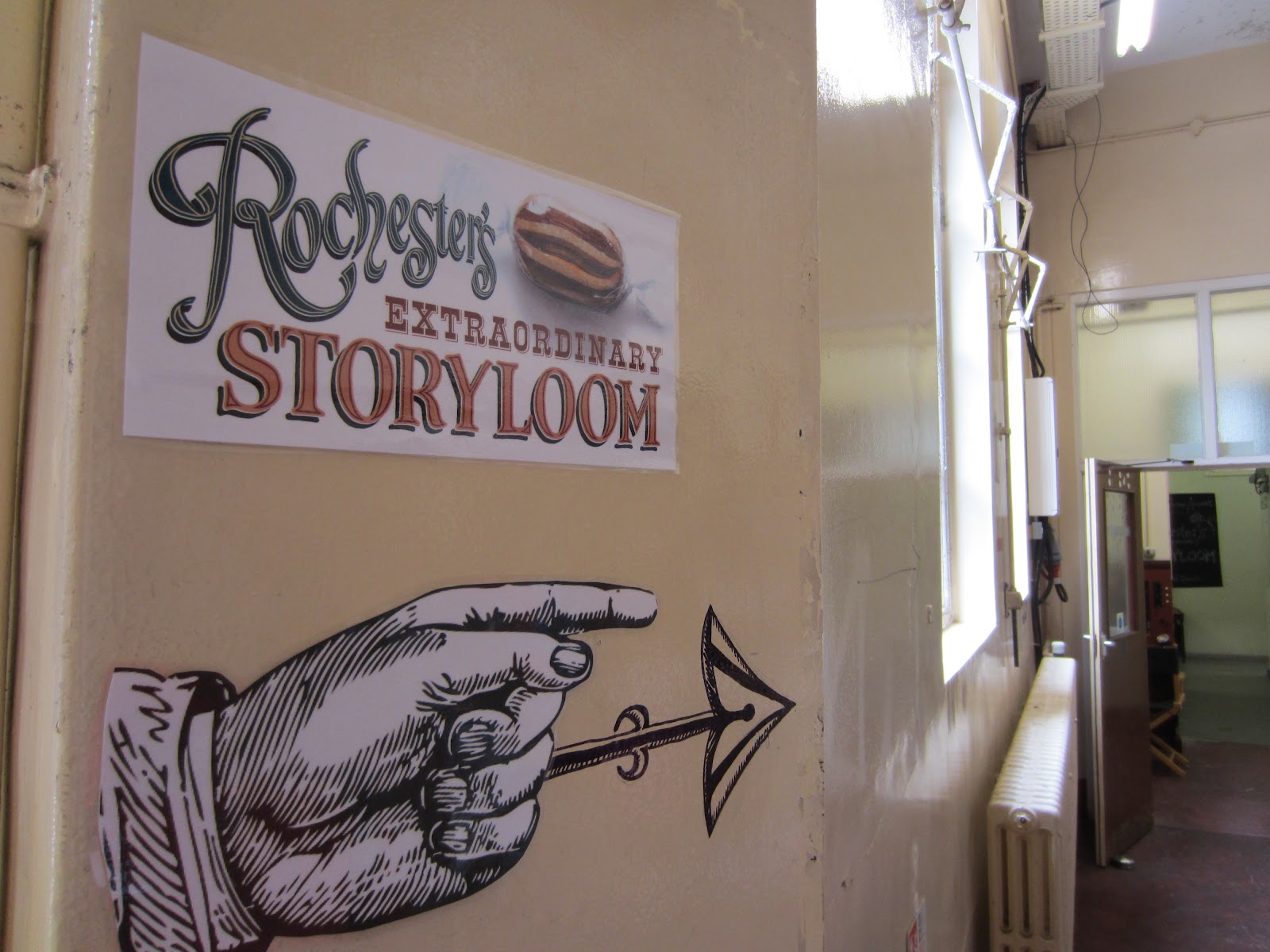
In the first you follow the tale of the
creation of the “Storyloom” which was a machine that ran off of children’s
imagination. The made up story was clever, silly,
delightful, and claimed that the Storyloom is responsible for the creation of
the Alice in Wonderland series. Lewis Carroll (real name Charles Dodgson)
went to school at Christ Church and lived in Oxford when he wrote his famous
tales. Other famous authors from Oxford are J.R.R. Tolkien, C.S. Lewis, and Philip Pullman (who our guide casually
mentioned she was friends with!!!).
Anyway, back to the Story Museum.
After going through the delightfully decorated story path and reading
the tale you could draw pictures or write about what inspired you to write (I added “What if . . .?” to the wall). What fun to be a part of this place for
future visitors to see! The next exhibit
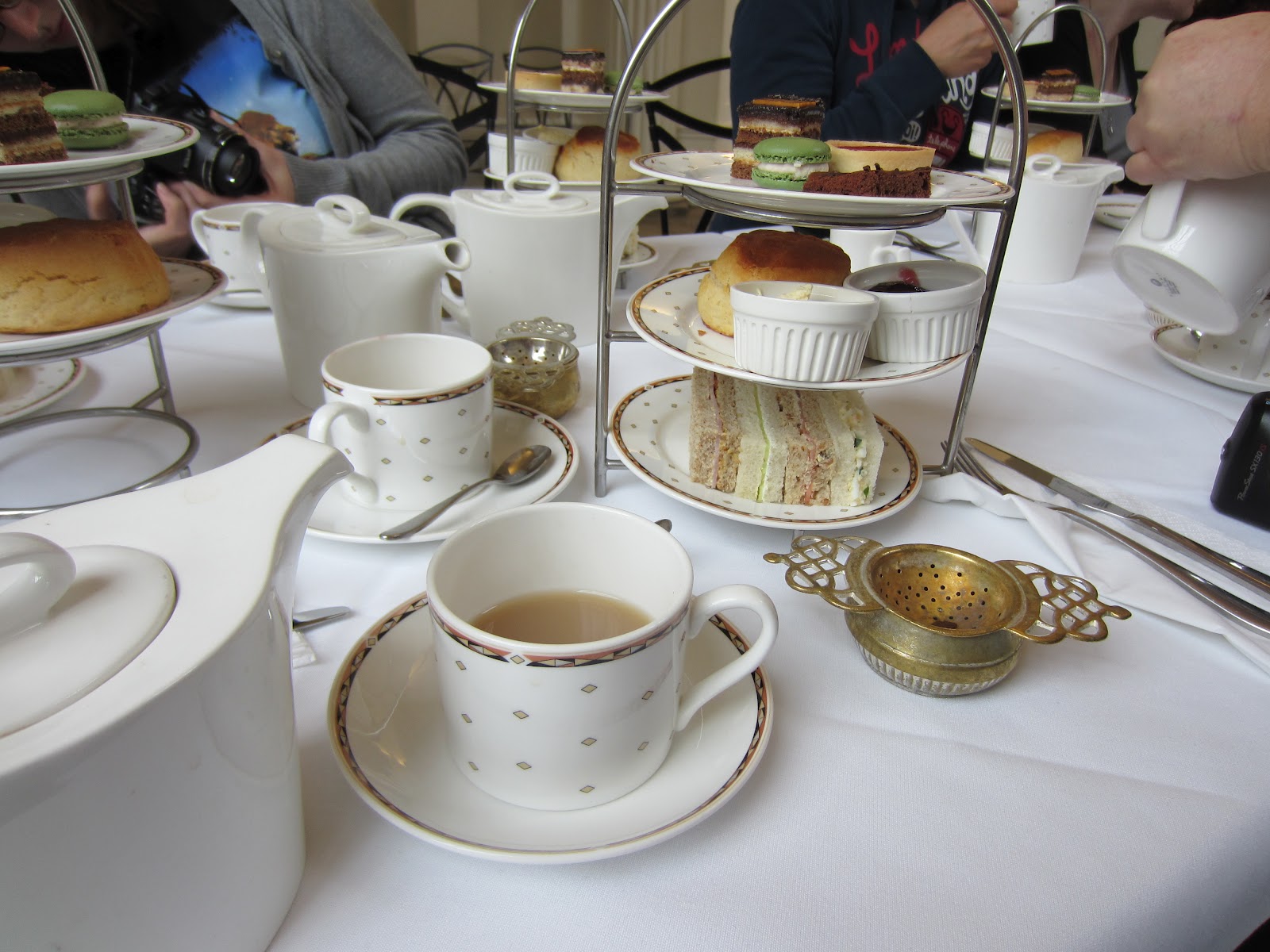
showed the artwork of artists around the world depicting scenes from Alice in Wonderland. And at the end of this was a "tea room" with .
. . well it really can’t be appreciated with just words. Take a look!

There is mulch on the floor, and a hat attached to each seat!
Fun, right? Check out
the FSU Multimedia 2012 Facebook page for a group shot of the class sitting
down to tea. This was really a wonderful
place, and my goal is to someday visit again when it is finished. The best part was that this wasn’t just
a place where you slowly walked around and admired things on display (which
I enjoyed doing today, too, at the Ashmolean Museum of Art and Archaeology), but it’s a
center of imaginative learning and interactive fun!
Finally, we made our way to Christ Church. Now, I know “church” is part of the name but
this is actually a school. This is so
because (as we learned today) the church was
the educational system in medieval times. Young men were sent to be educated by the clergy, and many of the churches (especially in Oxford) eventually turned into what we today call
universities. This also means that there
are fantastically designed cathedrals within the schools.
Some of you Harry Potter fans might recognize
the name Christ Church as the filming location for some of the scenes from the
movies. For example, the great
hall.
Incredibly huge and
impressive. But, again, this is an
active university. Many, many tourists
go through here daily, but the great hall is sometimes closed because it is in use by
the students who eat their meals there. This kind of connection
with hundreds of years of tradition astonishes me. Can you imagine eating, walking, learning, living in an institution that was
founded in the 1500s?!
Clearly this made an impact on me, and I love Oxford for the example
it sets of living in history.
And here's an example to show that the center of London has its moments, too.